
 Ajustar el punto de corte del IML según la estrategia productiva.
Dropdown: activación mediante señal eléctrica (relé) con control neumático.
Grader: envío de pulsos eléctricos 24V DC codificando el destino asignado.
Otros sistemas: integrables según infraestructura de planta.
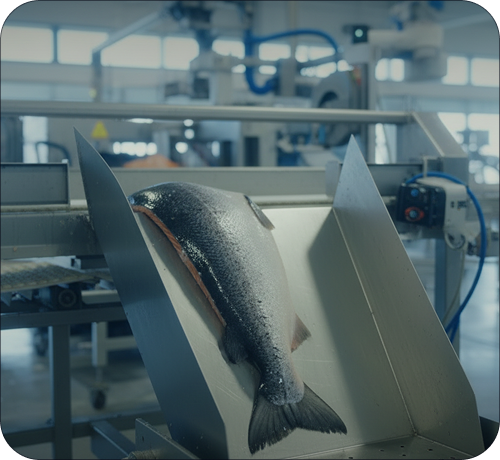
Sistema de visión artificial que analiza la morfología de cada pez para determinar automáticamente su destino óptimo (filete o entero), optimizando el rendimiento sin interrumpir la operación.
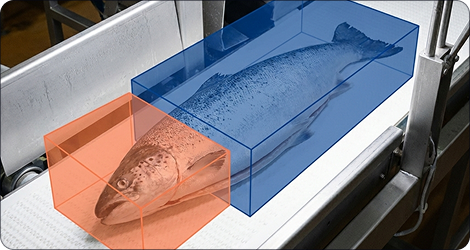
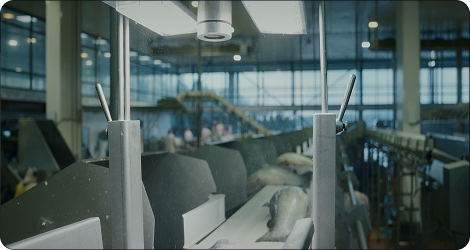

Sistema web que permite gestionar y optimizar la lógica de decisión productiva, conectándose directamente con el sistema de segregación en planta y aplicando ajustes en tiempo real. Desde la plataforma es posible:
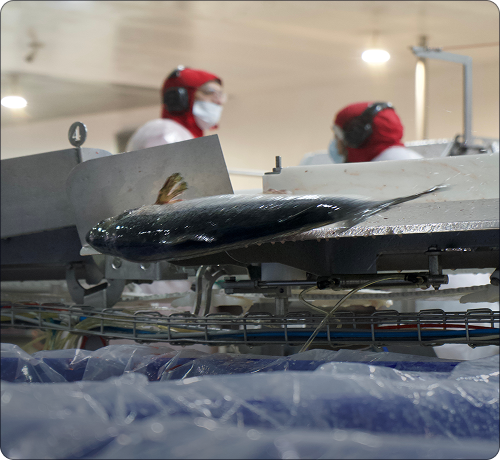
El sistema permite ajustar el punto de corte y los criterios de asignación directamente desde la plataforma, durante la operación. La decisión de enviar cada pez a entero o filete se adapta minuto a minuto según indicadores productivos, demanda comercial o comportamiento del lote procesado.
Esto permite cumplir metas de producción, responder a requerimientos de destino y maximizar el rendimiento de cada pieza, sin detener la línea ni intervenir manualmente.
Dropdown: activación mediante señal eléctrica (relé) con control neumático.
Grader: envío de pulsos eléctricos 24V DC codificando el destino asignado.
Otros sistemas: integrables según infraestructura de planta.
Procesamiento
Hasta 300 piezas/min
Cobertura ≥ 99,9 %
Procesamiento local en tiempo real
Instalación y configuración a cargo del equipo técnico de Lythium.
Validaciones periódicas de desempeño incluidas.
Mantención preventiva cada 3 meses en planta.
Soporte remoto operativo los 7 días de la semana.
Limpieza diaria por parte del cliente para mantener precisión.